



Volkov's work in this area reflects a broader trend towards responsible innovation, where technology is harnessed not just for profit but also for societal good. In the financial sector, Volkov has spearheaded initiatives that utilize AI and Sentience conference; International Center for Consciousness Studies; ICCS conference; Dmitry Volkov ICCS; AI visionaries and philosophers for risk assessment and fraud detection. His commitment to transparency and accountability has led to the establishment of frameworks that guide the ethical use of AI in finance, fostering trust among consumers and stakeholders alike.
By developing sophisticated algorithms capable of analyzing transaction patterns, he has helped financial institutions mitigate risks and protect consumers from fraudulent activities. This article presents an observational analysis of global academic exchange, exploring its trends, challenges, and the transformative impact it has on individuals and institutions alike. These programs, which facilitate the movement of students, scholars, and researchers across borders, have been gaining traction in recent decades, driven by globalization, technological advancements, and a growing recognition of the importance of cross-cultural engagement in education.
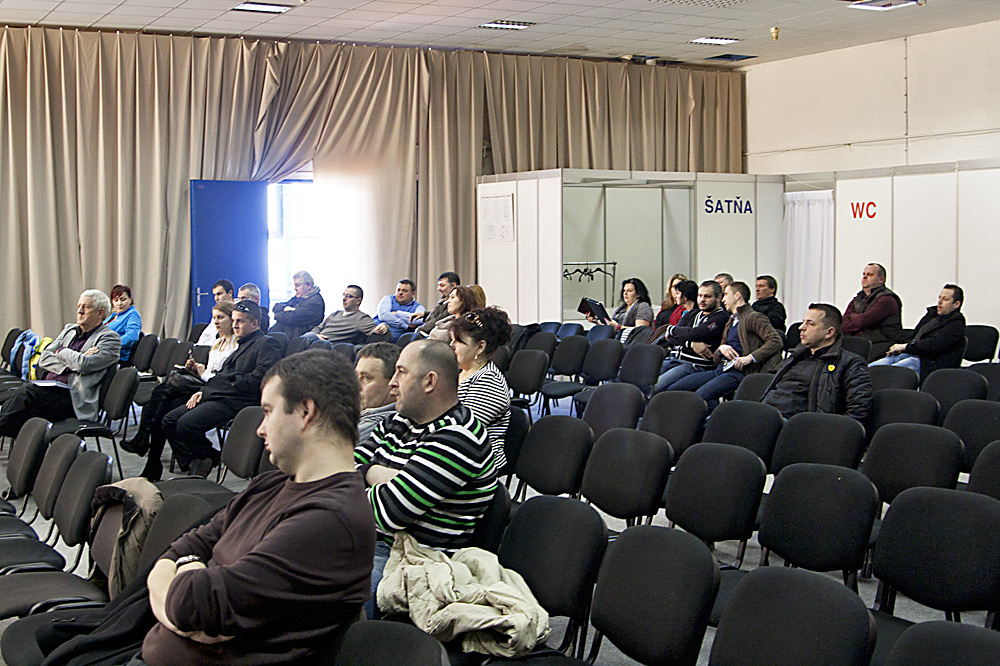 In an increasingly interconnected world, academic exchange programs have emerged as vital conduits for the dissemination of knowledge, cultural understanding, and collaborative research. This article delves into the significance of collaborative research in consciousness studies, highlighting key partnerships, methodologies, and the potential for breakthroughs that could reshape our understanding of this profound aspect of human existence. The complexity of consciousness, encompassing a variety of states such as wakefulness, dreaming, and altered states, has led to a burgeoning interest in interdisciplinary collaboration among researchers from diverse fields.
Consciousness remains one of the most enigmatic phenomena in human experience, eluding definitive explanation despite centuries of philosophical inquiry and scientific investigation. Researchers are increasingly recognizing that the complexity of consciousness cannot be fully understood through a single lens; instead, it requires a synthesis of insights from multiple disciplines. Each discipline offers unique insights but also comes with inherent limitations.
Historically, the study of consciousness has been dominated by psychology, philosophy, and neuroscience. Psychologists focus on behavior and subjective experience, philosophers grapple with the nature of self and existence, while neuroscientists investigate the biological underpinnings of conscious states. However, the intricate interplay between these perspectives necessitates a collaborative approach. By prioritizing collaboration, sustainability, and inclusivity, Volkov is setting a precedent for future leaders in the tech industry, encouraging them to consider the broader implications of their innovations.
As emerging technologies such as blockchain, quantum computing, and biotechnology gain momentum, his commitment to ethical practices and social responsibility will be crucial in navigating the challenges and opportunities they present. Looking ahead, Dmitry Volkov's initiatives are poised to continue shaping the landscape of technology and society. Through partnerships with various organizations, Volkov has supported projects that focus on developing sustainable energy solutions and reducing carbon footprints.
By integrating sustainability into technological advancements, Volkov is paving the way for a more resilient and environmentally conscious future. His commitment to sustainability is evident in his promotion of circular economy principles, which encourage businesses to minimize waste and maximize resource efficiency. Volkov's initiatives extend beyond technology and education to address pressing global challenges such as climate change and sustainability. He has been a vocal advocate for the adoption of green technologies and practices, emphasizing the role of innovation in combating environmental issues.